



ReservationSearch and reserve rooms
Click here to confirm, change or cancel your reservation
Flight-Inclusive Packages
Shinkansen-Inclusive Hotel Packages
Corporate Partner Reservations
2026.06.20
The history of handmade soba noodles pioneered in Kyoto. Experience the passion of the artisans and the food culture at "Yukiya Pontocho Main Store".
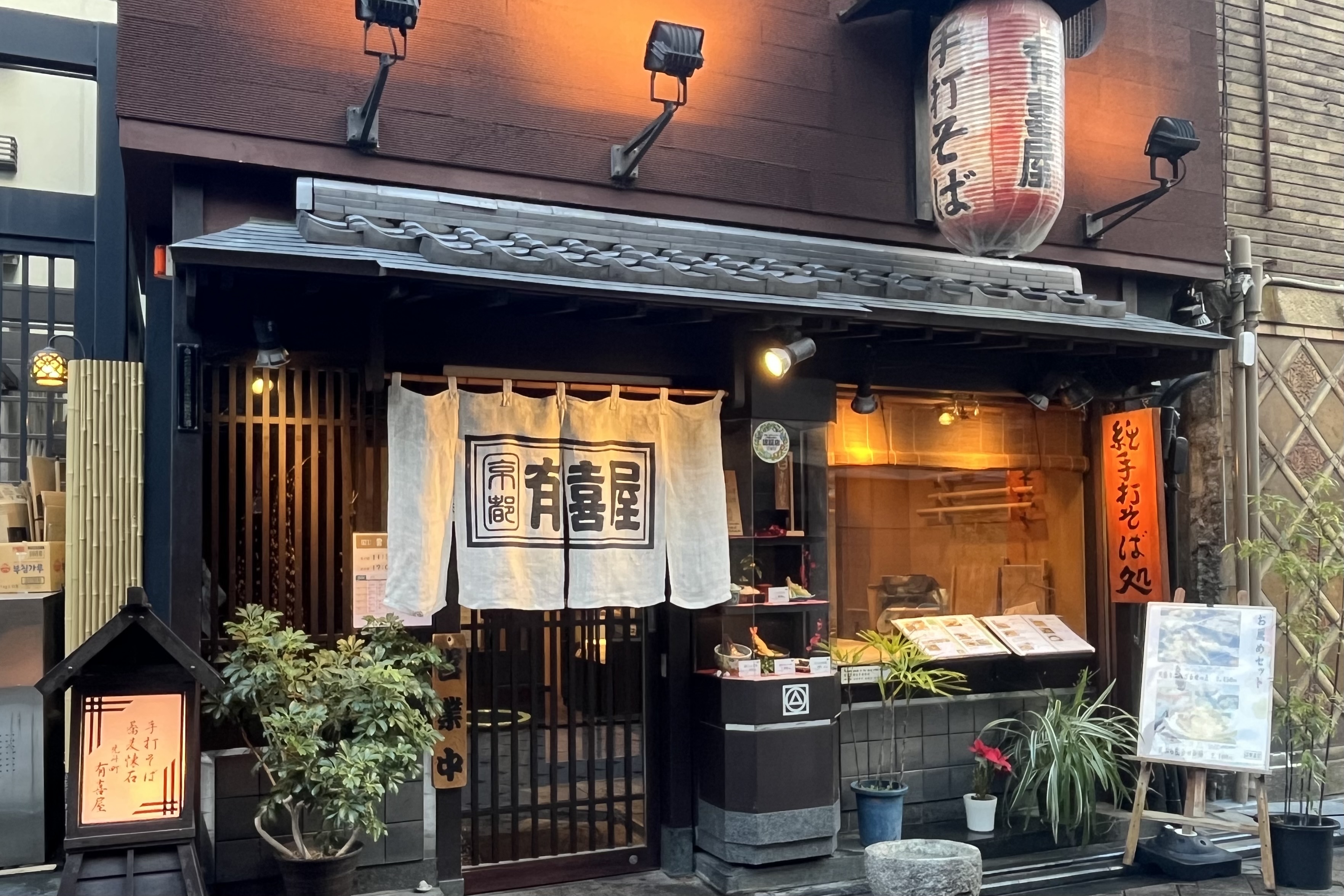
Leaving HOTEL RESOL KYOTO KAWARAMACHI SANJO, it's just a two-minute walk along the charming cobblestone streets of Pontocho. You'll see the noren (traditional Japanese curtain) of a long-established restaurant quietly nestled in a narrow alley. Founded in 1929 (Showa 4), "Ukiya Pontocho Main Store" is a soba restaurant where tourists and locals mingle, creating a pleasant atmosphere where lively energy and tranquility coexist.
When people think of Kyoto's noodle culture, many might picture "Kyoto udon" with its mild broth. In fact, udon used to be the mainstream in Kyoto, with only a small amount of machine-made soba noodles available. There were hardly any restaurants that served handmade soba.
In this "udon town," Yukiya has dared to offer authentic handmade soba noodles and has continued to convey their appeal to this day.
Kyoto's handmade soba noodles started from adversity.
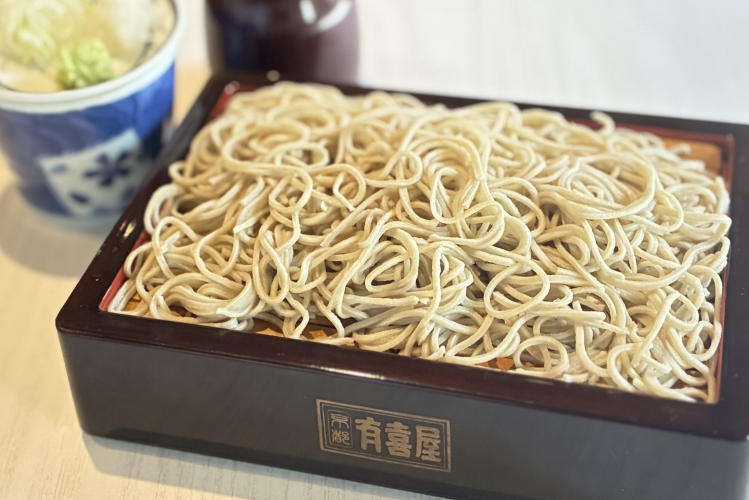
When Yoshiharu Mishima, the third-generation owner of "Yukiya," first started serving handmade soba noodles at his restaurant after acquiring the skills in Tokyo, some customers unfamiliar with the restaurant would shy away from it, complaining that the noodles were too hard.
Nevertheless, driven by the sole desire to "let people know how delicious handmade soba is," they initially offered it for free as a service, gradually establishing the culture of handmade soba in Kyoto.
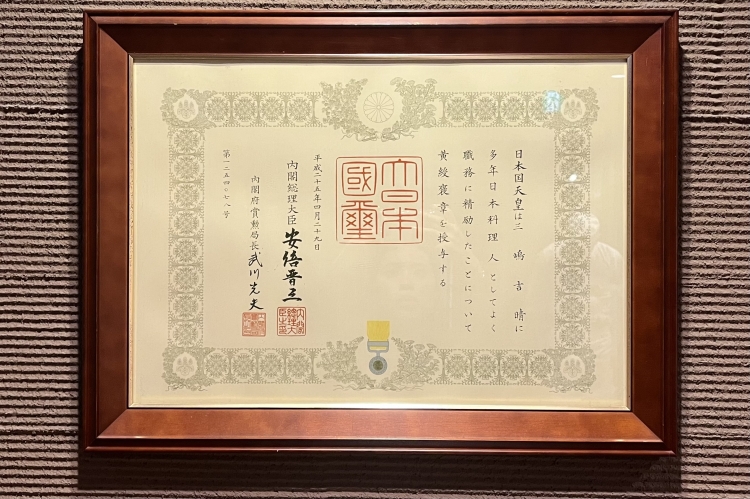
Mr. Mishima received the Yellow Ribbon Medal and the Blue Ribbon Medal for his efforts in promoting soba noodle culture.
At Yukiya, the manager of the Pontocho main store has been making soba noodles as a craftsman for over 20 years. He originally worked in sales at a mass retailer, but just before turning 30, he decided to make a fresh start and jumped into the world of soba.
"I didn't want to sell something someone else made; I wanted to see customers' reactions directly to something I made with my own hands," he says, reflecting on his aspiration to become a craftsman.
I knocked on the door of "Yukiya" and began my rigorous training. Every day, late at night after work, I practiced making udon noodles by hand, receiving guidance from my seniors.
"I jumped in with the intention of 'training to become a craftsman,' so I was able to persevere even when I received rigorous instruction. I think my resolve was different because I was determined to acquire a lifelong skill."
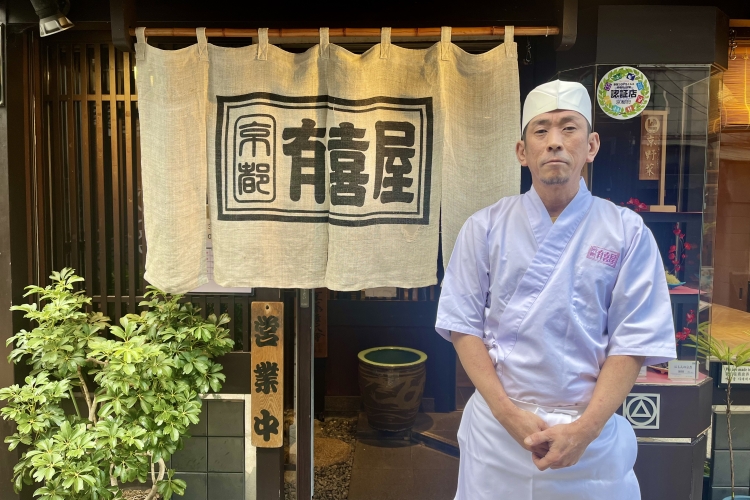
Mr. Ito, a soba chef who is the manager of the "Pontocho Main Store"
What motivated Mr. Ito was the powerful experience he had when he first tasted 100% buckwheat soba noodles shortly after beginning his apprenticeship at "Yukiya".
"I remember being overwhelmed by the intensity of the flavor. Even eating it plain without any condiments, I was simply amazed, thinking, 'Soba noodles can have this much flavor?'"
The desire to deliver the same感動 (deep emotional impact) that he himself experienced to his customers, through his own hands, is what still drives Mr. Ito to the kitchen today.
"Ten-grain tempura soba" woven from the blessings and craftsmanship of Kyoto.
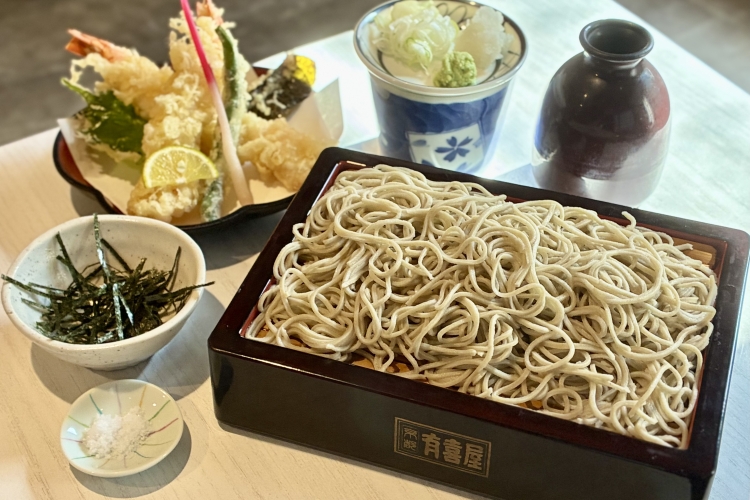
The most popular dish at the "Pontocho Main Store" is the "Juwari Tenzaru," which features 100% buckwheat soba noodles served with freshly fried tempura.
"First, try the soba with just salt," says Mr. Ito. Following his recommendation, I sprinkled a pinch of salt on it and brought it to my mouth, and the rich aroma of the soba wafted through my nose. The secret to this powerful flavor lies in the extraordinary attention to ingredients.
The 100% buckwheat flour used in Yukiya's soba noodles comes from Kyoto-grown buckwheat, which is cultivated in small quantities. This precious buckwheat flour is specially milled exclusively for Yukiya, and they also take great care in storing it to ensure that the flavor does not deteriorate.
By doing so, you can enjoy the rich aroma of freshly harvested "new buckwheat" anytime throughout the year.
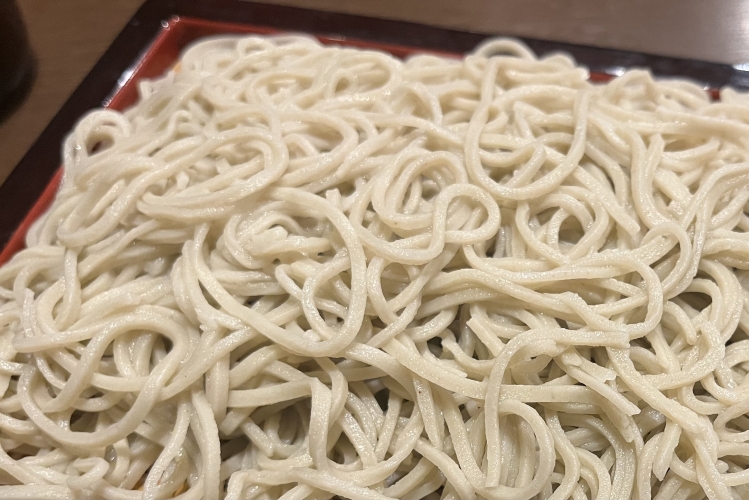
Each strand of soba noodles is thin and glossy, made with 100% buckwheat flour.
Also, when you think of 100% buckwheat soba noodles, you tend to imagine thick, easily broken, and slightly rough noodles, but Yukiya's 100% buckwheat soba noodles are only about 1.2 mm thick. They are smooth and pleasant to slurp, and the more you chew, the more chewy the texture becomes.
"Instead of grinding the buckwheat with the hulls on, we only grind the inner grain, which makes the noodles thin but less likely to break and gives them a smooth texture."
However, making such delicate soba noodles with the same quality every day is by no means easy.
"Even with the same buckwheat flour, the condition changes daily—sometimes it's dry, sometimes it doesn't absorb water well—so I rely on my years of honed intuition to fine-tune the amount and temperature of the water. Every day is a new discovery," says Mr. Ito. Even as a veteran, his serious battle with buckwheat continues.
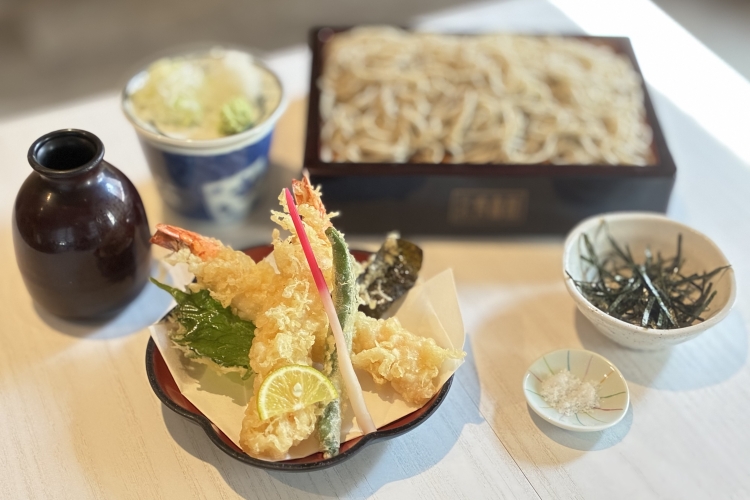
Tempura of shrimp, perilla leaf, seaweed, and green vegetables
Mr. Ito taught me that the connoisseur's way to enjoy soba noodles is not to dissolve the condiments like green onions and wasabi in the broth, but to place them directly on top of the noodles. Doing so allows the crisp aroma of the condiments to stand out clearly, and the rich flavor of the soba noodles, which is not overpowered by them, to blend beautifully in your mouth.
The combination of crispy tempura and smooth, slurping soba noodles is incredibly light and refreshing. Before you know it, the steamer basket is empty, leaving you with a pleasant, lingering taste.
Savor the "culture" contained within a single bowl of soba noodles.
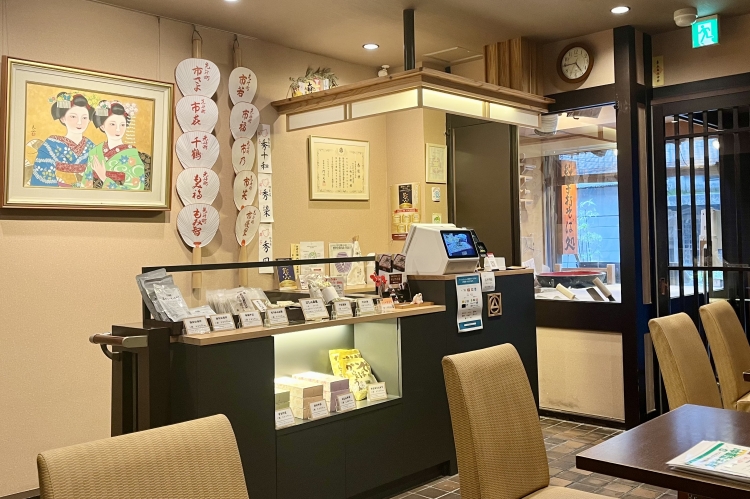
"Soba is not only a dish, but also a part of Japan's traditional food culture. We believe it is our mission as artisans to ensure that the culture of handmade soba does not die out and is passed on to the next generation."
The words Mr. Ito spoke conveyed his determination and pride in carrying the banner of a long-established company.
Escape the hustle and bustle of tourist areas and savor a bowl of soba noodles in the tranquil setting of Pontocho. That moment will not only satisfy your hunger, but also be a special time to connect with "Japanese culture" that artisans have dedicated themselves to preserving.
有喜屋 先斗町本店
電話:075-221-2978
住所:京都府京都市中京区木屋町通三条下ル石屋町125
アクセス:京阪電鉄「三条駅」から徒歩6分
HP:https://www.ukiya.co.jp/
SNS:https://www.instagram.com/ukiya_honten/
*営業時間や定休日についての詳細は、上記のリンク先からご確認ください。

HOTEL RESOL KYOTO KAWARAMACHI SANJOHOTEL RESOL KYOTO KAWARAMACHI SANJO
59-1 Kawaramachi-dori, Sanjo-sagaru, Daikokucho, Nagagyo-ku, Kyoto-shi, Kyoto 604-8031
TEL.075-255-9269
Only a 4-minute walk from Kyoto Shiyakusho-mae Station. Just a 1-minute walk to the Pontocho and Kiyamachi areas, where you can experience the atmosphere of Kyoto's traditional geisha district (Hanamachi).