ReservationSearch and reserve rooms
Click here to confirm, change or cancel your reservation
Flight-Inclusive Packages
Shinkansen-Inclusive Hotel Packages
Corporate Partner Reservations
2025.12.20
A timeless light of knowledge - Feel the breath of history at Tekijuku
NEIGHBORS
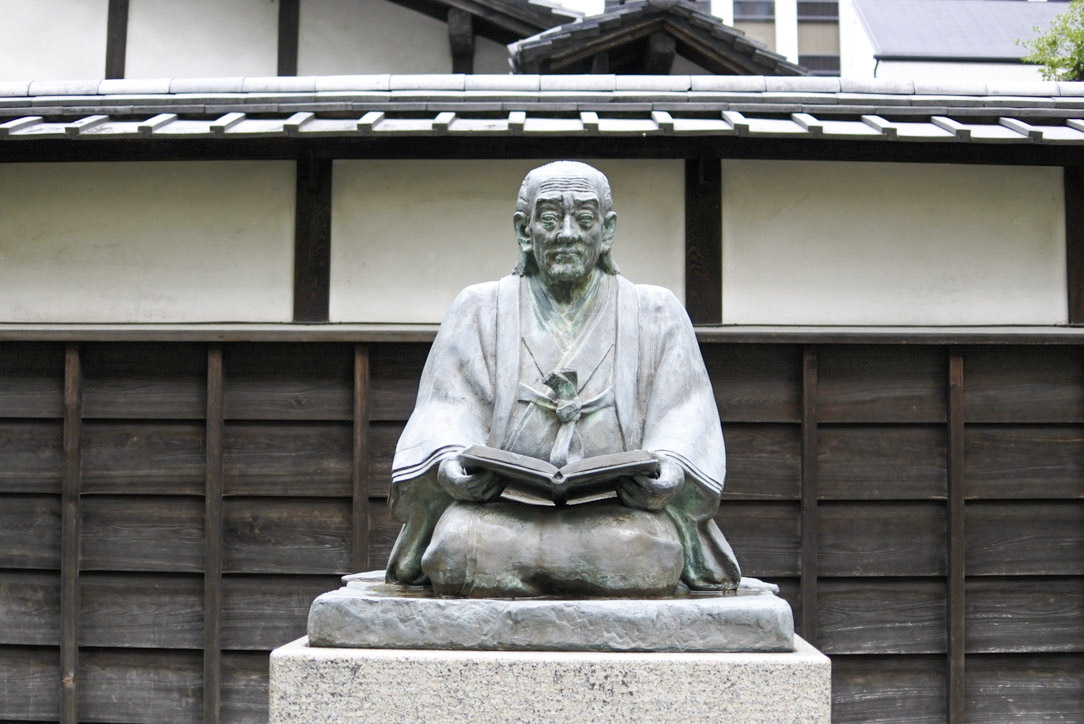
In a corner surrounded by the buildings of Yodoyabashi, Osaka, a quiet townhouse from the Edo period appears. Tekijuku, a school of Western studies known for having sent many talented people out into the world, was opened in Kawaramachi in 1838 (Tenpo 9) by Dutch scholar Ogata Koan, and later moved to its current location in 1845 (Koka 2).
During the turbulent period from the end of the Edo period to the Meiji Restoration, young people such as Fukuzawa Yukichi who studied at this small school shaped the future of Japan.
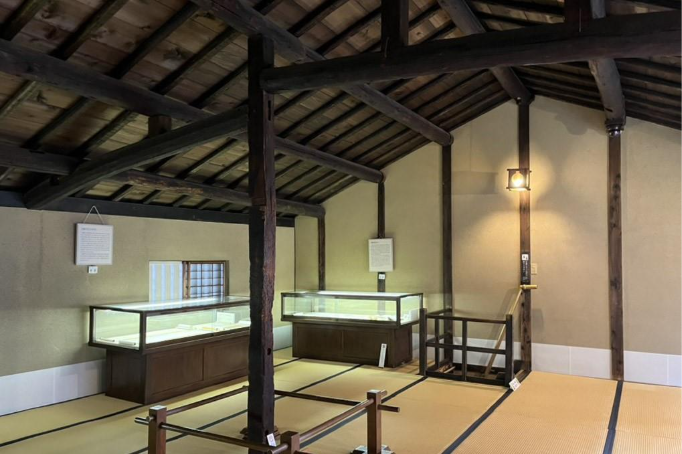
The common room where students slept and immersed themselves in their studies
At times they were excited about the knowledge they had gained from foreign countries, and at other times they sat down at their desks worried about the future of Japan. The "light of knowledge" they left behind greatly changed the course of Japan thereafter.
Tekijuku is not just an ancient building, but a bridge of knowledge from the past to the future, and a place that offers many insights to those of us living in the present day.
We spoke with Associate Professor Matsunaga Kazuhiro of the Tekijuku Memorial Center at Osaka University, who is working to disseminate information about and preserve Tekijuku, about the history and significance of Tekijuku.
Ogata Koan's aspirations and the place where they began
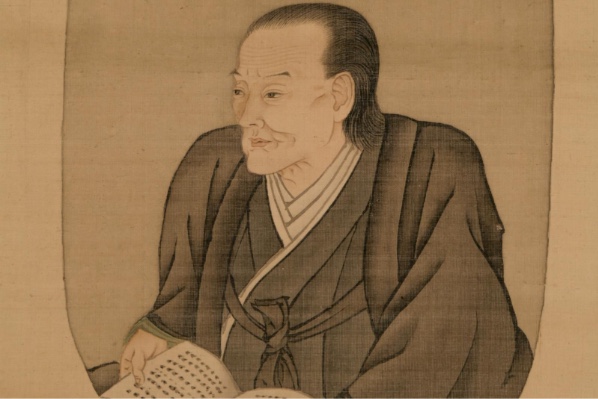
Ogata Koan, founder of Tekijuku
"I wanted to nurture talented people who are needed by the world. I think that was the strong sense of mission that Koan had in his heart," says Matsunaga.
During Koan's time, people were suffering from an unknown disease called cholera. At the time, traditional Chinese medicine was mainstream, but no effective treatment was available, and people were struggling to find a cure.
On his way home from work in Osaka, his father, a samurai, witnessed the horrific conditions of people suffering from cholera in Kobe. Upon hearing this, Koan is said to have been deeply inspired to "be of service to people in the world," and embarked on a career in medicine.
Koan's aspirations, "For the sake of his country and his way of life, I want to give back to the world with my abilities," came to fruition in the form of Tekijuku. He cared for his patients as a local doctor during the day, and worked late into the night translating Dutch books, leading by example the young people who devoted themselves to their studies, regardless of their social status.
The tuition fees were set lower than at other private schools, which helped attract a diverse group of young people from all over the country who shared Koan's ideals and devoted themselves to their studies.
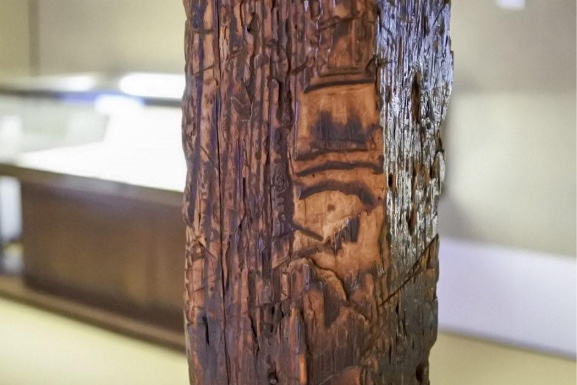
Sword marks on the pillars in the common room, made by the hot-blooded students in the course of their daily lives.
The daily lives of students who became historical figures

The kitchen where students shoveled their meals into the fridge
The total number of students at the school is said to exceed 1,000, and many young people have studied here. Their lives were truly devoted to their studies, and they spent their days devoting themselves to their studies, even sacrificing food and sleep.
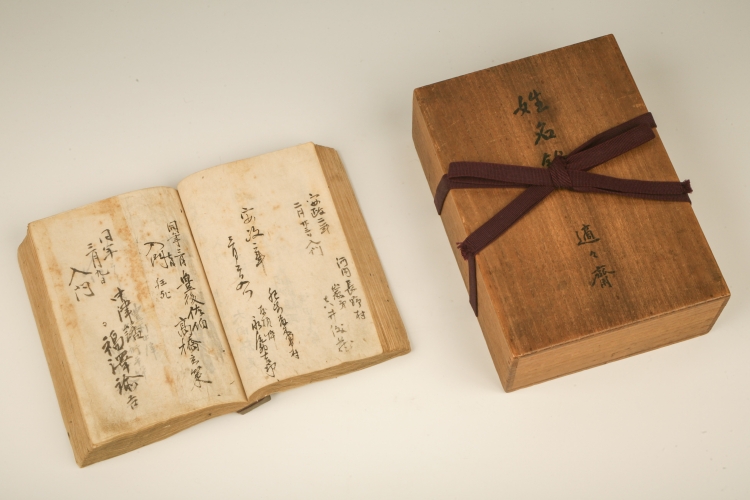
"Tekijuku Seimei-roku" is a student register of Tekijuku, which includes the signatures of the students at the time.
In the morning, he would wake up to the sounds echoing from the kitchen and eat his meals while standing. His behavior was so enthusiastic that Fukuzawa Yukichi later dubbed him "Hyakkiri Shoku" (a hundred demons eating standing up). Yukichi himself is said to have studied in the common room for students, rather than sleeping in a futon.
Following in Koan's footsteps, they also sought to survive in the times using their intelligence as a weapon. The seriousness with which they dealt with knowledge is evident in the anecdote that fighting over dictionaries was a daily occurrence.
Advanced students took the Dutch reading comprehension test "kaidoku," held six times a month. Students were divided into nine levels, and apparently the higher their grades, the better their rooms were available. Even the small one-tatami-mat sleeping space was available to each student, and they earned it through their studies.
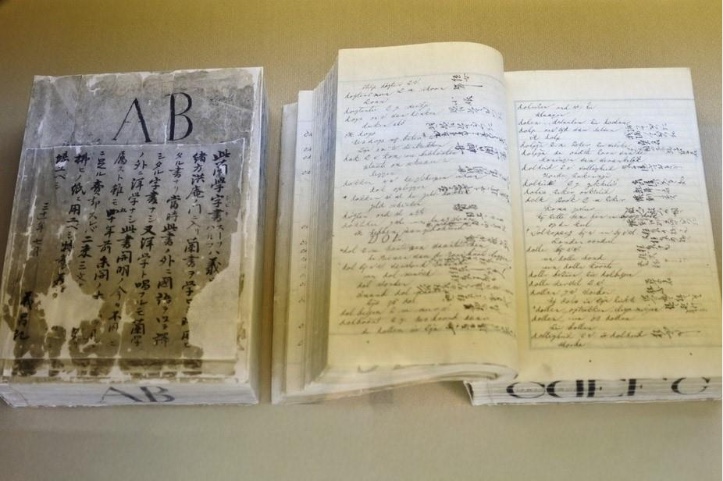
The Dutch dictionary "Zuf Halma" that students are said to have fought over
"The seeds of modern rationality probably originated at this school," says Matsunaga. The thinking and ambition cultivated here eventually became the foundation that would drive Japan forward.
For example, Fukuzawa Yukichi introduced Western thought and engaged in enlightenment activities that supported Japan's modernization, Nagayo Sensai was a driving force behind the establishment of Japan's sanitation administration and medical system, and Hashimoto Sanai became famous as a thinker at a young age and had a major influence on the political world.
Tekijuku was not only a place of learning, but also the starting point of their youth and lives.
Passing on a place where living history lives on
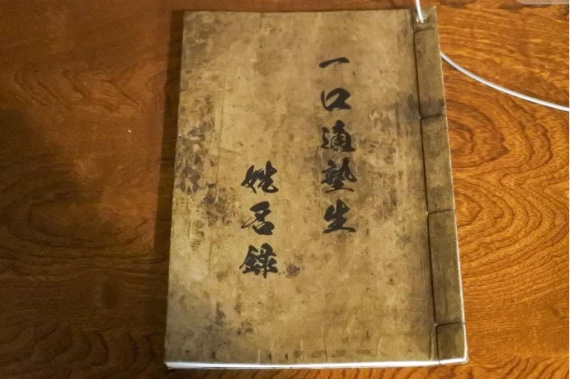
A guest book in the style of a "disciple book" listing the names of those who donated. "One 10,000 yen coin makes you a Tekijuku student."
Tekijuku, which has produced many great figures, was also the base for the modernization of Japanese medicine, where Koan devoted himself to translating the latest medical books. This place, which built the foundations of modern Japan in both academic and medical fields, has weight and significance that should be passed down through the ages.
It is no coincidence that Tekijuku has survived to this day, retaining its original appearance from the Edo period. During the Pacific War, it was exposed to the danger of numerous air raids on Osaka, but managed to escape destruction by fire, and even after that, many people have done everything they can to protect this precious building.
Specifically, the demolition, restoration, and earthquake-resistance renovation work was carried out as part of a project funded by the Agency for Cultural Affairs, the disaster prevention system was reviewed, and funds were raised through crowdfunding to measure 3D data.We are continuing our efforts to pass on the building to future generations as a shared asset not only of Osaka University, which originated from Tekijuku, but also of the city.
"There is value here that needs to be protected and passed on. I want to preserve this place together with the local residents," said Matsunaga. The challenge of passing on the "light of knowledge" to the future continues to this day.
Questions for us - What history tells us
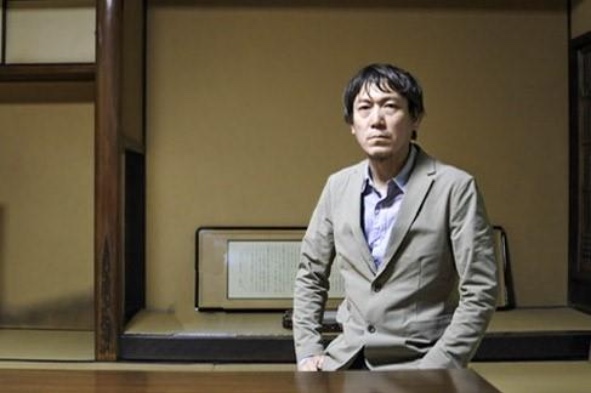
Associate Professor Matsunaga, who told us about the history of Tekijuku
This place, which has been protected and passed down by many people, quietly speaks to us who live in the present.
"Even great historical figures studied desperately in underprivileged environments where people had to fight over dictionaries. I want people to realize how fortunate our current environment is," says Matsunaga.
Within the limited time and space they had, they believed in their own intelligence and transformed it into a force that moved society. The starting point for this was to "first confront what interests you."
Tekijuku is not simply a place to reminisce about the past. Even today, the halls where former students once contemplated still retain a hint of their passion for knowledge, gently posing questions to visitors.
What am I studying and what am I passionate about?
By listening carefully to this question, your own "light of knowledge" may begin to quietly light up.
適塾
電話: 06-6231-1970
住所:大阪府大阪市中央区北浜3-3-8
アクセス: Osaka Metro堺筋線 北浜駅 から徒歩5分 Osaka Metro御堂筋線 淀屋橋駅 から徒歩5分
HP :https://www.tekijuku.osaka-u.ac.jp/ja/
SNS:https://x.com/Tekijuku_OsakaU
*営業時間や定休日についての詳細は、上記のリンクからご確認ください。