


ReservationSearch and reserve rooms
Click here to confirm, change or cancel your reservation
Flight-Inclusive Packages
Shinkansen-Inclusive Hotel Packages
Corporate Partner Reservations
2026.09.10
A place where you can encounter nostalgia. A guide to exploring Ueno's "Shitamachi Museum"
NEIGHBORS
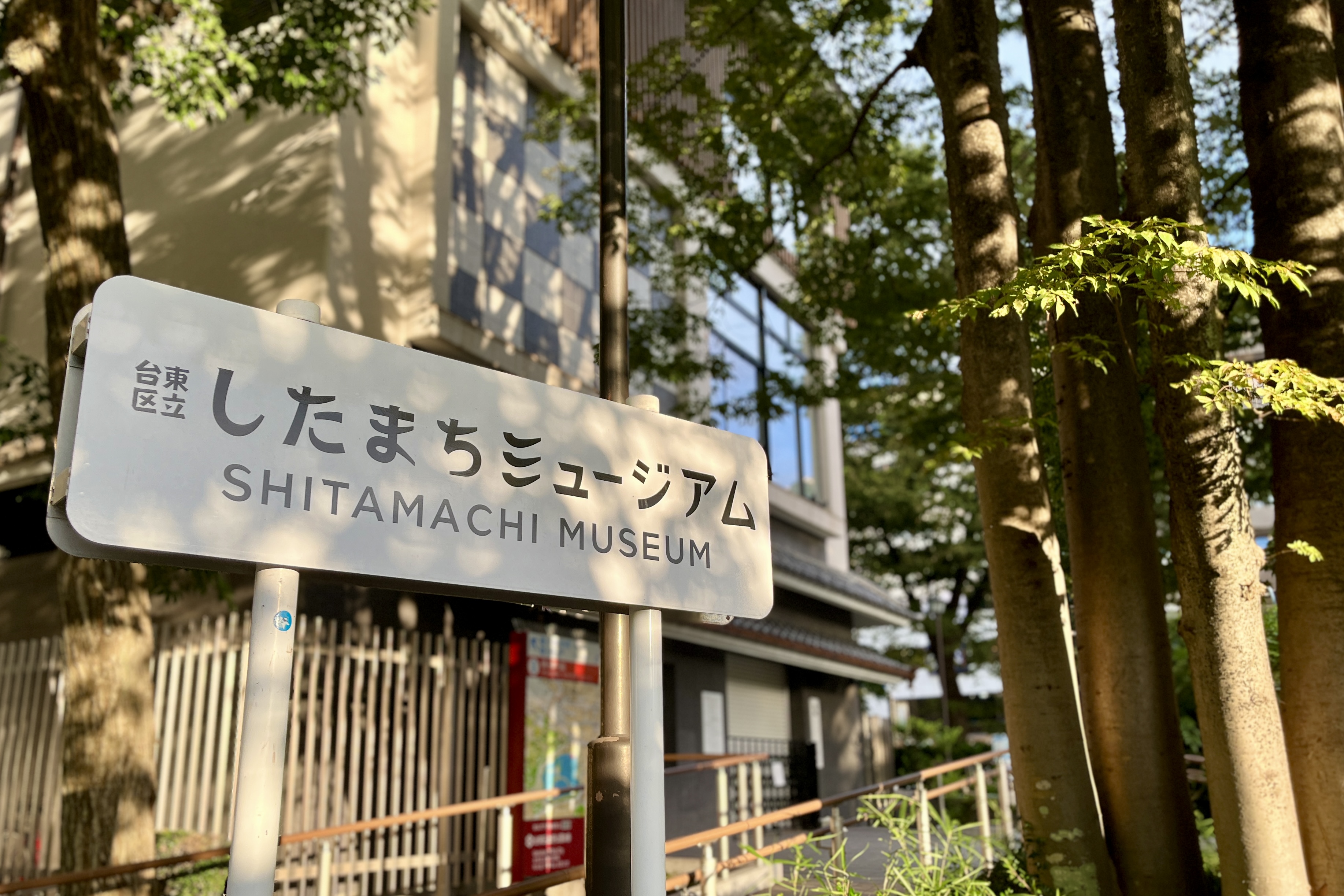
Ueno is a cultural hub with numerous museums and art galleries, yet it also retains the vibrant energy of its friendly shopping streets. The Taito City Shitamachi Museum is located within Ueno Onshi Park, where the traditions of downtown Tokyo still thrive.
Established in 1980 (Showa 55) as the "Shitamachi Folk Museum," the museum was founded with the aim of passing on the culture and traditions of the downtown area, mainly Taito Ward, to future generations, amidst the changing landscape of the city through events such as the Great Kanto Earthquake, the bombing of Tokyo, and the period of rapid economic growth.
More than 40 years have passed since its opening, and after undergoing major renovations due to the aging of the facilities, it reopened in 2025 under its current name. It continues to play a vital role in the community as a repository of memories that conveys the spirit of people from the past.
A life-size recreation of a downtown area from the 1950s.
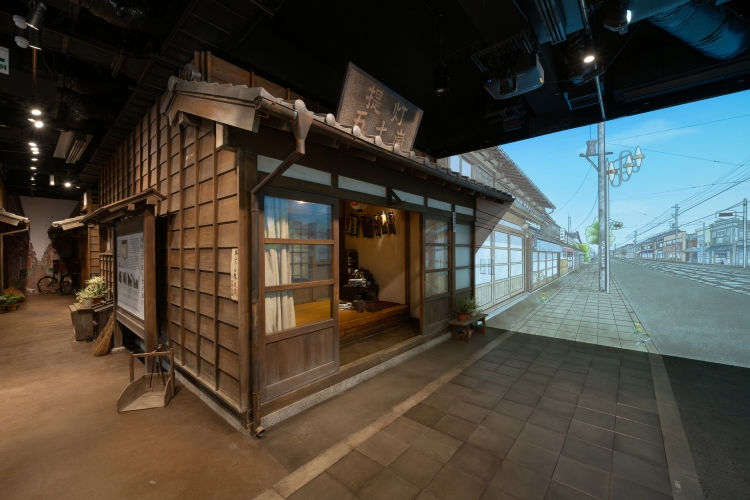
A life-size replica of the "Igarashi Lantern Shop" (Image courtesy of Shitamachi Museum)
The exhibition room on the first floor features a life-sized streetscape that meticulously recreates the living spaces of the 1950s, a period leading up to Japan's rapid economic growth.
The row house, which was created based on the testimony of the owner of the real-life "Igarashi Lantern Shop," faithfully reflects the layout of the time. The furniture and furnishings, such as the radio, placed inside offer a glimpse into the lifestyle of the people at that time.
A distinctive feature of the exhibition is the mix of old and new tools. For example, there is a gas stove in the kitchen, while a shichirin (a type of charcoal grill) is placed by the back door.
"Not everything became a new way of life; remnants of the old era remained here and there. We focused on capturing the reality of that transitional period," says researcher Goji Kondo. Here, the daily life of that time, where old tools and new lifestyles coexisted amidst rapid modernization, is recorded.
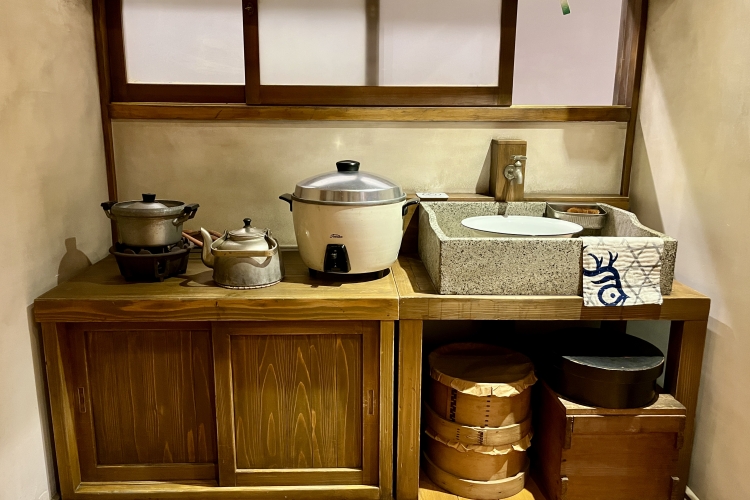
A recreated kitchen from the 1950s. A mix of old and new household items can be seen.
Focusing on the period from Meiji to Showa, this book delves into the "transformation of daily life."
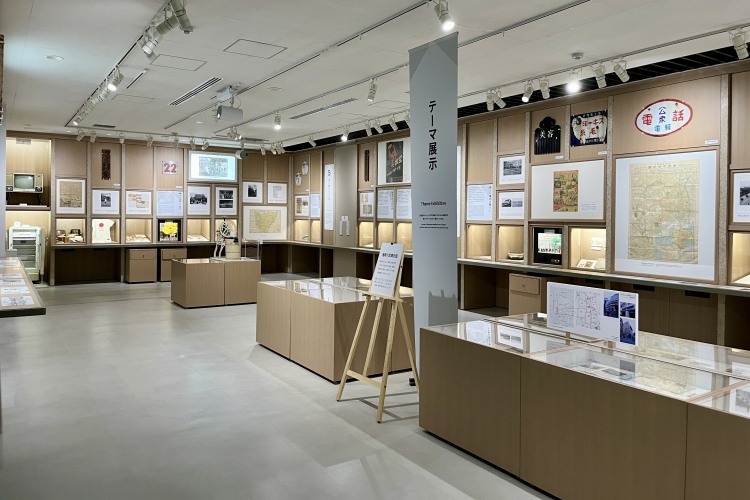
The permanent exhibition on the second floor focuses on the period from the Meiji era to the 1950s, conveying the changes in the lives of ordinary people.
The permanent exhibition room on the second floor focuses on the history of the downtown area, specifically from the Meiji era to the 1950s. Unlike typical local history museums that comprehensively trace history from the Jomon period, this facility is unique in that its exhibition structure focuses on the history of the downtown area, primarily Taito Ward.
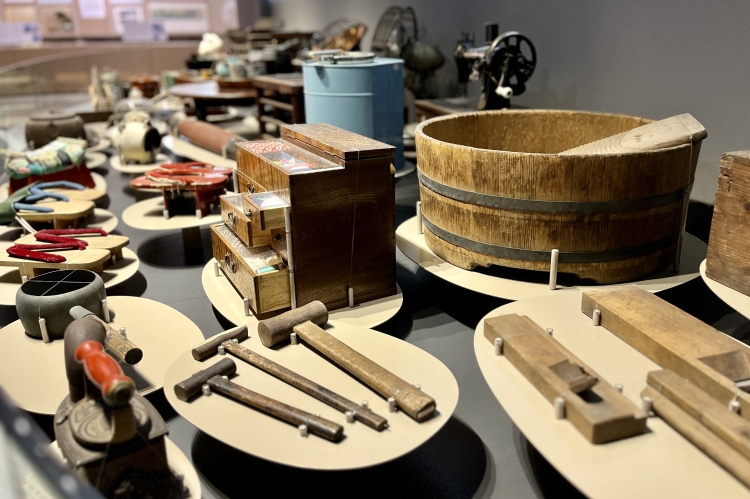
A wide variety of tools are on display, from craftsman's tools to everyday household items.
By deliberately narrowing the focus, the transformation of the lives of ordinary people who overcame repeated hardships such as earthquakes and war becomes more vividly apparent, revealing the changes in their lifestyles during a turbulent era.
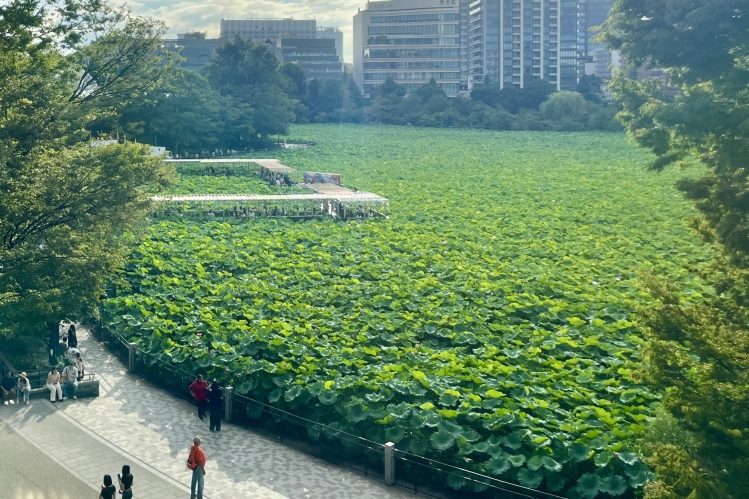
Shinobazu Pond can be seen in its entirety from the third floor. It displays a different landscape with each season (the photo shows the pond in summer).
Furthermore, the special exhibition room on the third floor changes its exhibits every four months, delving deeply into specific themes for each period. From the windows, you can enjoy a panoramic view of Shinobazu Pond, creating a quiet space where you can spend time while learning about the local history.
"Exhibits that allow you to touch" convey the importance of cherishing things.
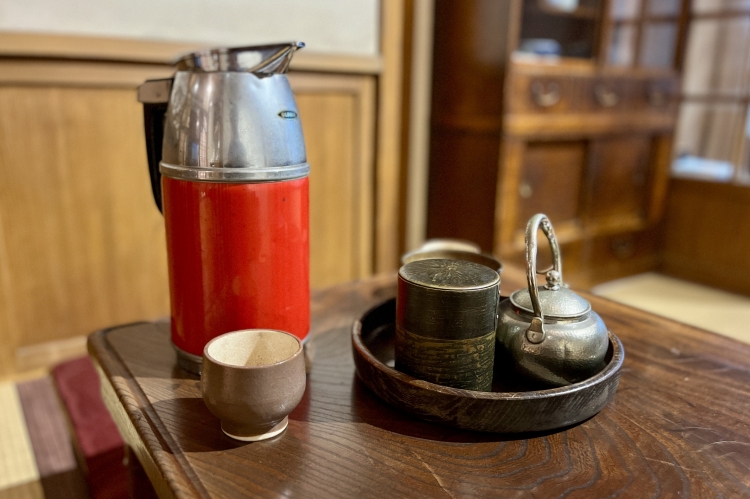
Everyday objects are displayed in the exhibition room on the first floor. By actually touching them, the exhibition conveys the importance of cherishing possessions.
Many of the everyday items, such as teacups, displayed in the exhibition area on the first floor can be picked up and handled. This policy of allowing visitors to directly touch the valuable exhibits has been in place since the museum opened.
The aim of this initiative is to allow visitors to experience firsthand the fact that "things will break if handled carelessly." Old tools are easily damaged if not handled carefully. By deliberately accepting the risk of damage, the museum is conveying to children and other modern people the importance of taking care of their belongings.
Furthermore, the experience of touching the actual objects fosters dialogue between grandparents and grandchildren, such as "This is how we used to use it," and plays a role in sharing memories and knowledge of life in those times.
"Surprisingly interesting"—Discovering another side of the tourist destination, Ueno.
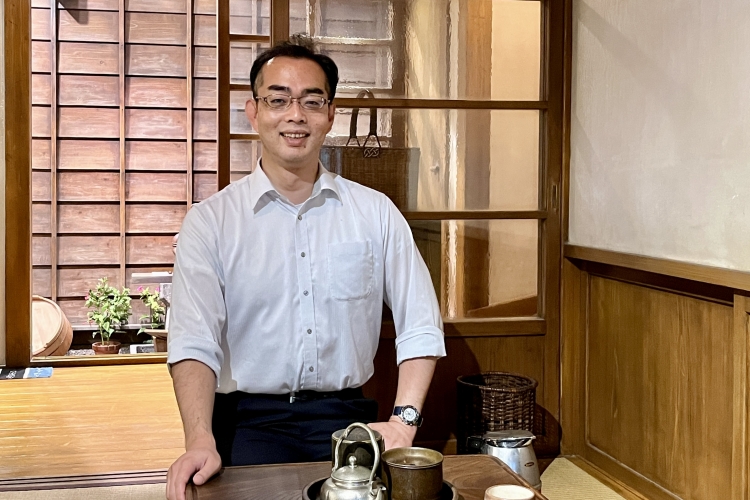
Researcher Kondo explained the museum's concept and the charm of the old downtown area.
"This museum has a cutting-edge concept that focuses on the 'downtown' area. We hope you'll come and visit, and that through this, you'll get to know the charm of Ueno and Taito Ward," says researcher Kondo.
Many visitors stop by on a whim while strolling around Ueno, and it's said that quite a few of them comment, "That was surprisingly interesting," as they leave. This is because, unlike the typical image of Ueno as a tourist destination, many visitors feel a sense of nostalgia as they get to experience the history and changes in the local way of life.
The "Shitamachi Museum," which delves into the theme of the transformation of downtown culture, conveys the disappearing everyday life of the Showa era to the present day, inviting visitors into the rich history of the region.
台東区立したまちミュージアム
電話:03-5846-8426
住所:東京都台東区上野公園2-1
アクセス:JR上野駅から徒歩5分
HP:https://www.taitogeibun.net/shitamachi/
SNS:https://www.instagram.com/sitamatihuuzoku
https://x.com/shitamachi_ueno
https://www.facebook.com/shitamachi.ueno/
*営業時間や定休日についての詳細は、上記のリンクからご確認ください。