



ReservationSearch and reserve rooms
Click here to confirm, change or cancel your reservation
Flight-Inclusive Packages
Shinkansen-Inclusive Hotel Packages
Corporate Partner Reservations
2026.07.10
A long-established shop specializing in portable shrines and drums, where you can drop by anytime. Bringing traditional skills and elegance closer to you.
NEIGHBORS
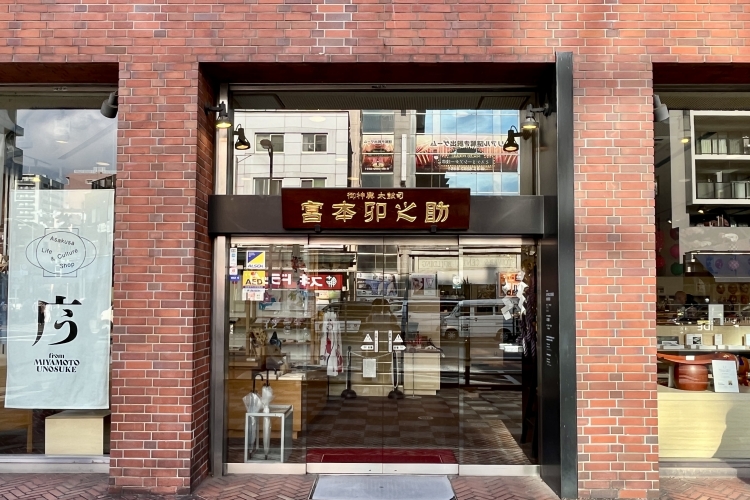
With its red brick walls and large, open windows, Miyamoto Unosuke Shoten Nishi-Asakusa branch offers a welcoming atmosphere that makes it easy for even first-time visitors to drop in, as the interior can be seen through the glass from the outside.
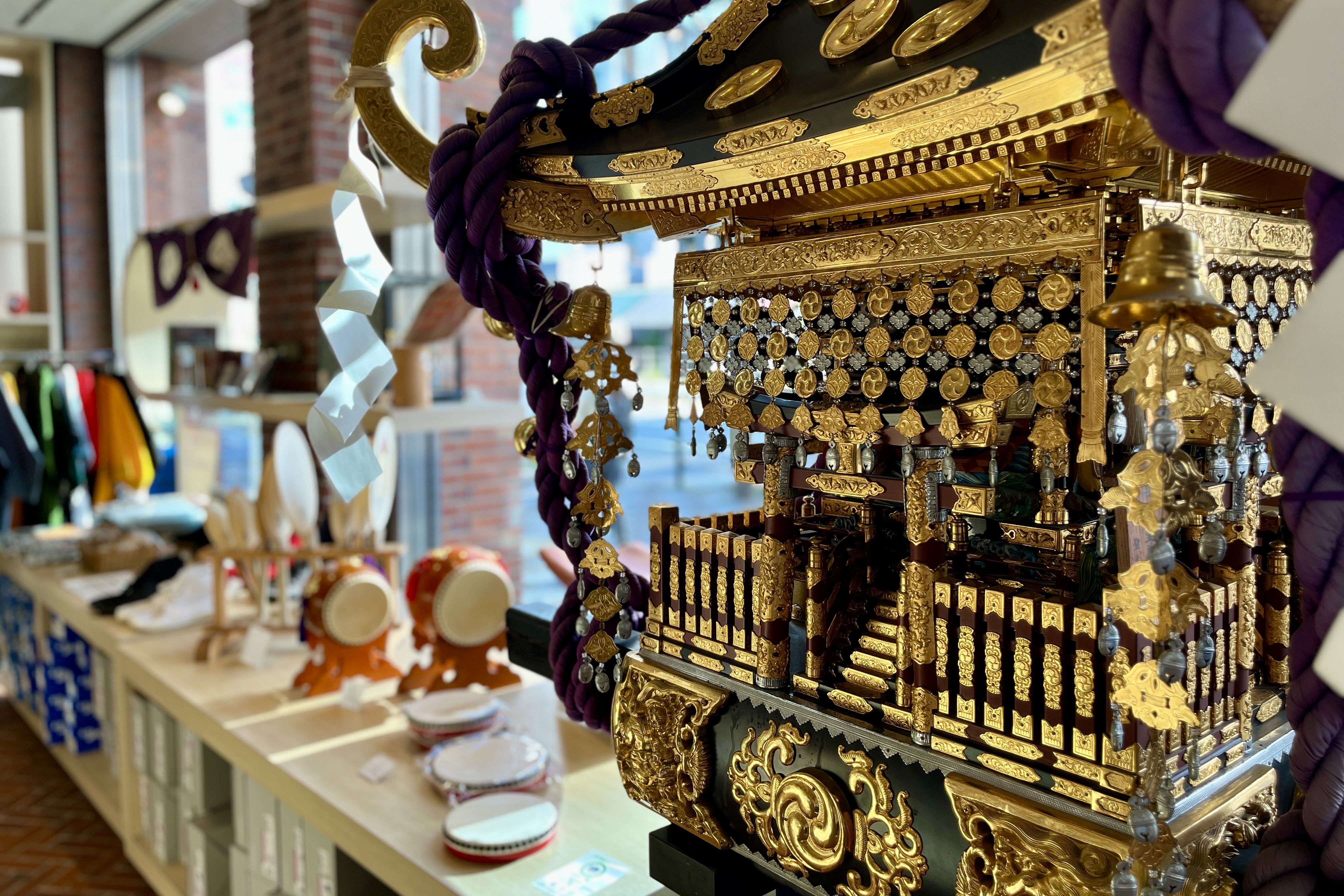
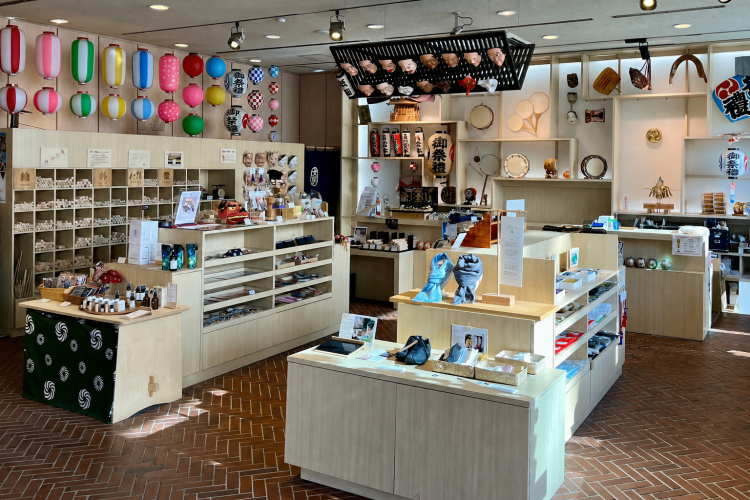
Upon opening the door, you're immediately greeted by a genuine portable shrine adorned with dazzling decorations. While one corner features authentic festival equipment, the other side is lined with items geared towards tourists, such as T-shirts and hand towels.
It's a space where festival artifacts and souvenirs coexist. By deliberately lowering the barrier to entry, it reflects the long-established shop's intention to allow everyone to experience the "authentic passion of the festival" that they have preserved for over 160 years.
The pride and reliable skills of the craftsmen who continue to support the Asakusa Sanja Matsuri Festival.
Founded in 1861, Miyamoto Unosuke Shoten has supported Japan's festival culture through the manufacture of drums and portable shrines. Their track record of creating the portable shrine for the Sanja Matsuri, a symbol of Asakusa, is proof of their high level of technical skill.
The craftsmen's dedication lies in their uncompromising selection of materials and exquisite handiwork. The bodies of the Japanese drums are made from the finest zelkova wood, ensuring durability that allows them to be used for over 200 years. The carvings and decorations adorning the portable shrines also reveal the meticulous attention to detail the closer you look at them.
In addition to the head office factory where the products are manufactured, the "Nishi-Asakusa Store" was opened in 1948 (Showa 23) as a retail store where customers could actually see, touch, and examine these authentic tools.
Take home a piece of tradition. The new brand "Unomise" opens a gateway to culture.
While it was once a place frequented by a limited clientele, such as those involved in festivals, the role of this "Nishi-Asakusa store" has been gradually changing in recent years.
About two years ago, they launched their original brand "Unomise," developing products that utilize traditional Japanese designs from the perspective of a long-established store, such as tenugui (hand towels) with picture puzzles that convey the playful spirit of Edo, sometimes called "riddles to see with your eyes."
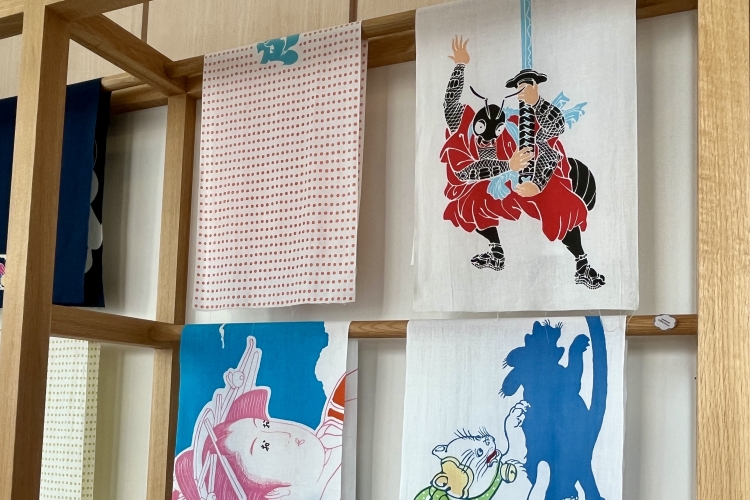
A tenugui (Japanese hand towel) with a rebus picture. The upper right corner shows an ant holding a sword, which means "thank you."
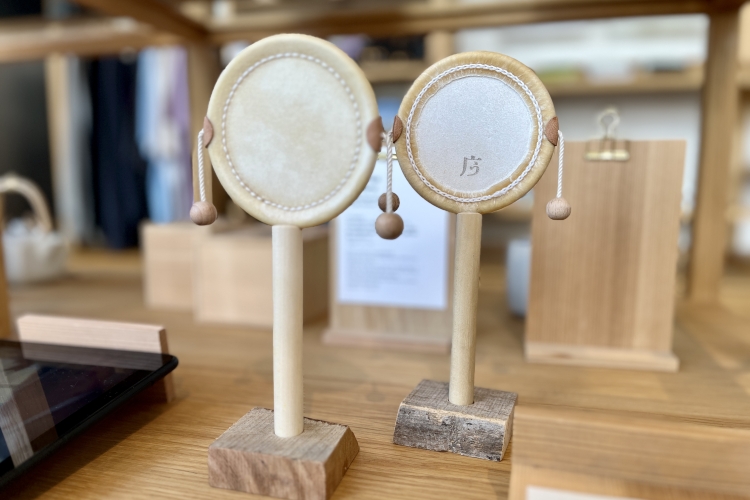
As a product to be sold at "Unomise," the shop, which has perfected the art of drum making, thoughtfully considered what it could offer to the general public, and that's how the miniature "Denden Taiko" was born. Although intended as a souvenir, it is manufactured using the same process as a real drum, using natural cowhide. The authentic sound and texture are condensed into a small instrument, creating an opportunity for ordinary people to experience "genuine craftsmanship."
Sound is also part of the exhibit. Experience the resonance by actually playing the drums at the "Taiko Museum".
On the fourth floor of the store is the Taiko-kan, a specialized museum showcasing a collection of approximately 600 items. From East Asian drums adorned with vividly colored dragons to European copper percussion instruments and intricately carved wooden instruments from Oceania and Central and South America shaped like animals, a diverse array of drums unique to each region fills the space.
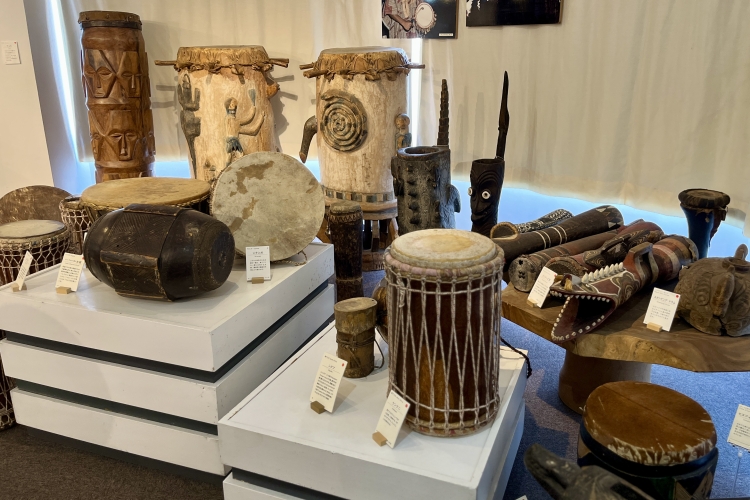
The exhibition features drums and percussion instruments from around the world, varying in shape and material.
The most distinctive feature is that you can actually hit and play many of the exhibits. Based on the store's philosophy that "sound is also part of the drum," they have adopted a unique exhibition policy that allows visitors to experience the original resonance of the instruments. There are also Japanese taiko drums available in the store, and you can actually hit them with drumsticks to produce loud sounds.
The museum receives around 200-300 visitors per month, many of whom are taiko drum enthusiasts from Japan and abroad, as well as tourists from overseas. It is a valuable place where you can experience the depth of taiko drum culture by making sounds with your own hands.
"First, we need to make people aware of us." The thoughts behind the new brand from a long-established company.
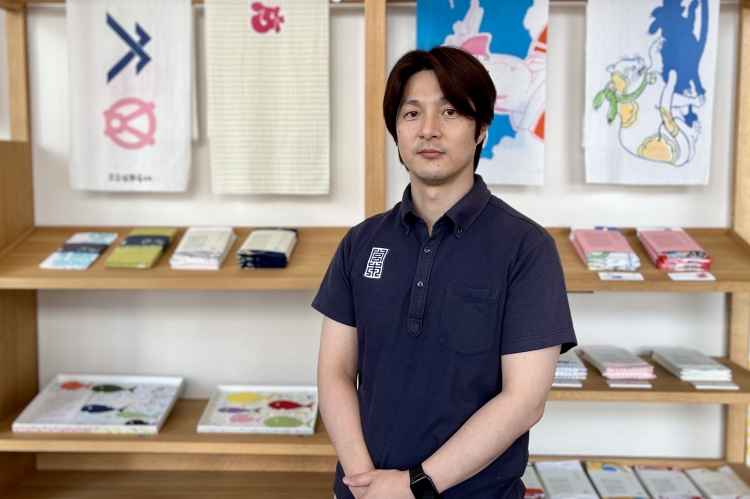
Mr. Toyoda, the manager of the "Nishi-Asakusa store," kindly cooperated with the interview.
Store manager Takeomi Toyoda says, "Many people come in thinking it's just an ordinary souvenir shop, but that's fine. The important thing is to let people know that we exist."
You don't need any prior knowledge or purpose for purchasing. We want you to experience the power of the festival artifacts simply through a chance encounter. That is precisely why this 165-year-old established shop has deliberately lowered its barriers to entry. Rather than knowledge or theory, the experience of simply "seeing" and "touching" the real thing will lead to a deeper interest in Japanese festival culture.
宮本卯之助商店 西浅草店
電話:03-3844-2141
住所:東京都台東区西浅草2-1-1
アクセス:東京メトロ銀座線 田原町駅から徒歩2分/ 都営浅草線 浅草駅から徒歩6分
HP:https://www.miyamoto-unosuke.co.jp/
SNS:https://x.com/miyamotounosuke
https://www.instagram.com/miyamotounosuke/
https://www.facebook.com/miyamotounosuke
https://www.youtube.com/@miyamotounosukeshoten6526
*営業時間や定休日についての詳細は、上記のリンクからご確認ください。
