ReservationSearch and reserve rooms
Click here to confirm, change or cancel your reservation
Flight-Inclusive Packages
Shinkansen-Inclusive Hotel Packages
Corporate Partner Reservations
2026.03.20
A place that connects artists' works with everyday life, born from a long-established Japanese stationery store in Kyoto.
NEIGHBORS
Walking north along Kawaramachi Street for five minutes, past Kyoto City Hall, you'll spot a sign that reads "Swimmy available." The charming arched entrance draws people in, and they peek inside, wondering what kind of shop it is.
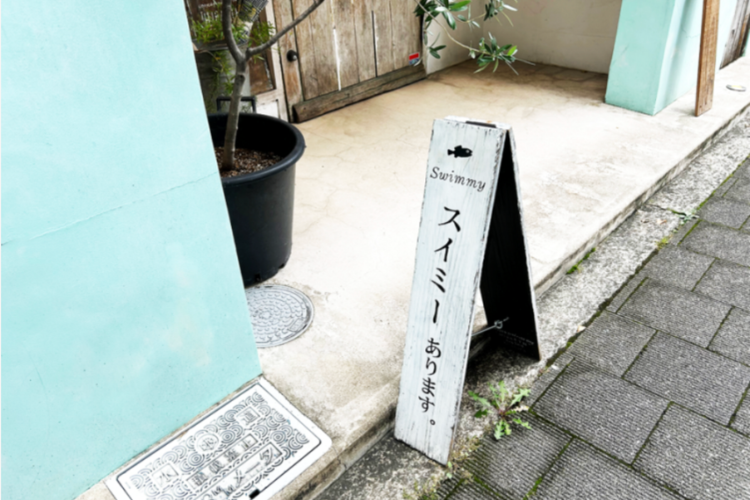
A sign placed in front of the store reads "Swimmy available."
This is "cozyca products shop HIRAETH." Based on the idea of "bridging the gap between artists' works and everyday life," we create and sell stationery and miscellaneous goods that are easy to incorporate into daily life, in collaboration with artists whose worldview matches the atmosphere of the space.
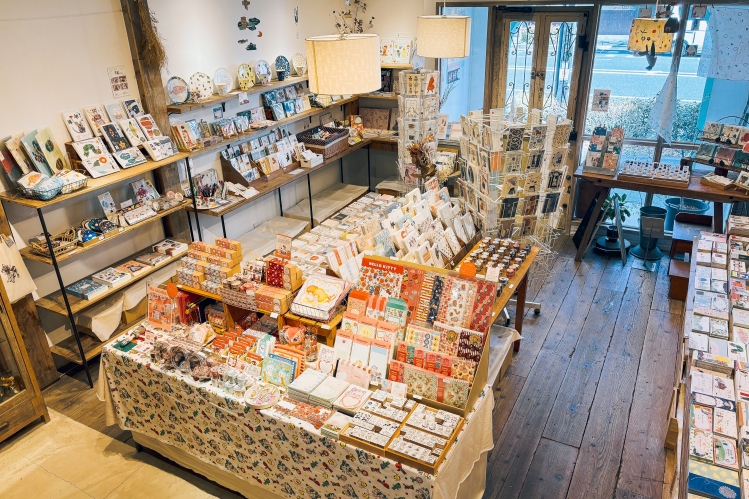
A relaxing atmosphere inside the shop, enveloped in the warmth of wood.
As you pass through the archway and enter the shop, the first thing that catches your eye are notepads and postcards featuring animals, food, and everyday scenes drawn in soft lines and colors. Just looking at them warms your heart, and you can't help but imagine situations where you might use them, wondering, "Who should I write a letter to?"
"cozyca products" is a brand launched in 2013 by Hyogensha, a long-established Japanese stationery manufacturer founded in Kyoto in 1932. Its directly managed store, "cozyca products shop HIRAETH," opened in 2018.
We spoke with Hidetoshi Takakura, the art director who launched the brand, about the roots of "Hyogensha" and the thoughts and commitment he puts into the brand.
Our journey as a publishing company
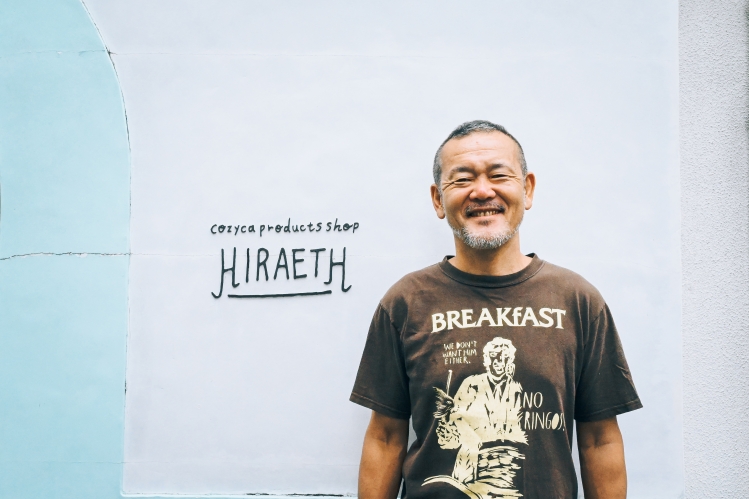
Takakura-san planned and produced "cozyca products" and "cozyca products shop HIRAETH".
The origins of "Hyogensha" can be traced back to "Tanaka Honten," a shop established during the Meiji era. Around 1900 (Meiji 33), picture postcards, which convey feelings and scenes through pictures and photographs, became popular, starting with privately produced postcards (postcards created by private companies and individuals). With the development of the railway network, sending postcards as souvenirs of travel became a custom, and picture postcards became a familiar part of daily life.
Kyoto originally had a fertile ground for production and distribution, involving not only Japanese painters, designers, and artists, but also publishers, craftsmen, and paper merchants, and a culture of delivering pictures as commodities was deeply rooted there. Against this backdrop, Tanaka Honten became a pillar of the postcard culture. Later, inheriting the techniques and beliefs, a separate company, Shueido, was established in 1932 (Showa 7), which later changed its name to Hyogensha and continues to this day (eventually merging with Tanaka Shoten).
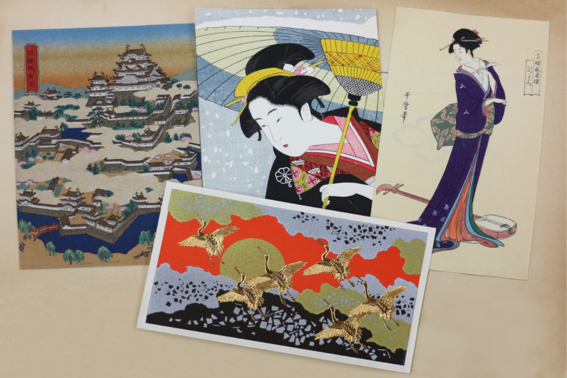
Postcards with traditional Japanese patterns from that time
The postcard culture continued to be passed down, albeit in different forms. After World War II, many of the occupying forces stationed in Japan expressed a desire to send their families Christmas cards with traditional Japanese patterns, and Hyogensha began production.
Eventually, the cards became known to Japanese companies and were chosen as year-end greetings to send to overseas business partners. In this way, the Japanese-patterned cards became a signature product of "Hyogensha," and the business grew significantly.
However, as times changed, the gift-giving culture between companies gradually shifted, and the custom of sending Christmas cards gradually declined. The long-running business came to a close, much to the regret of its customers. And, coinciding with this turning point, "cozyca products" was born as a new challenge.
It all started with the question, "What is 'harmony'?"
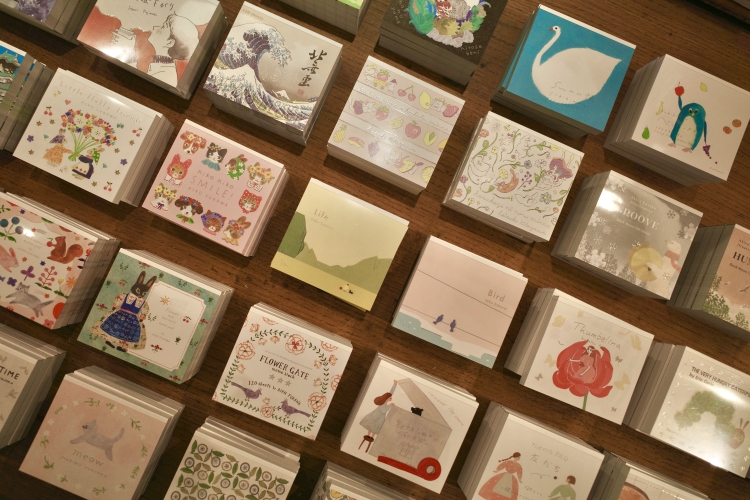
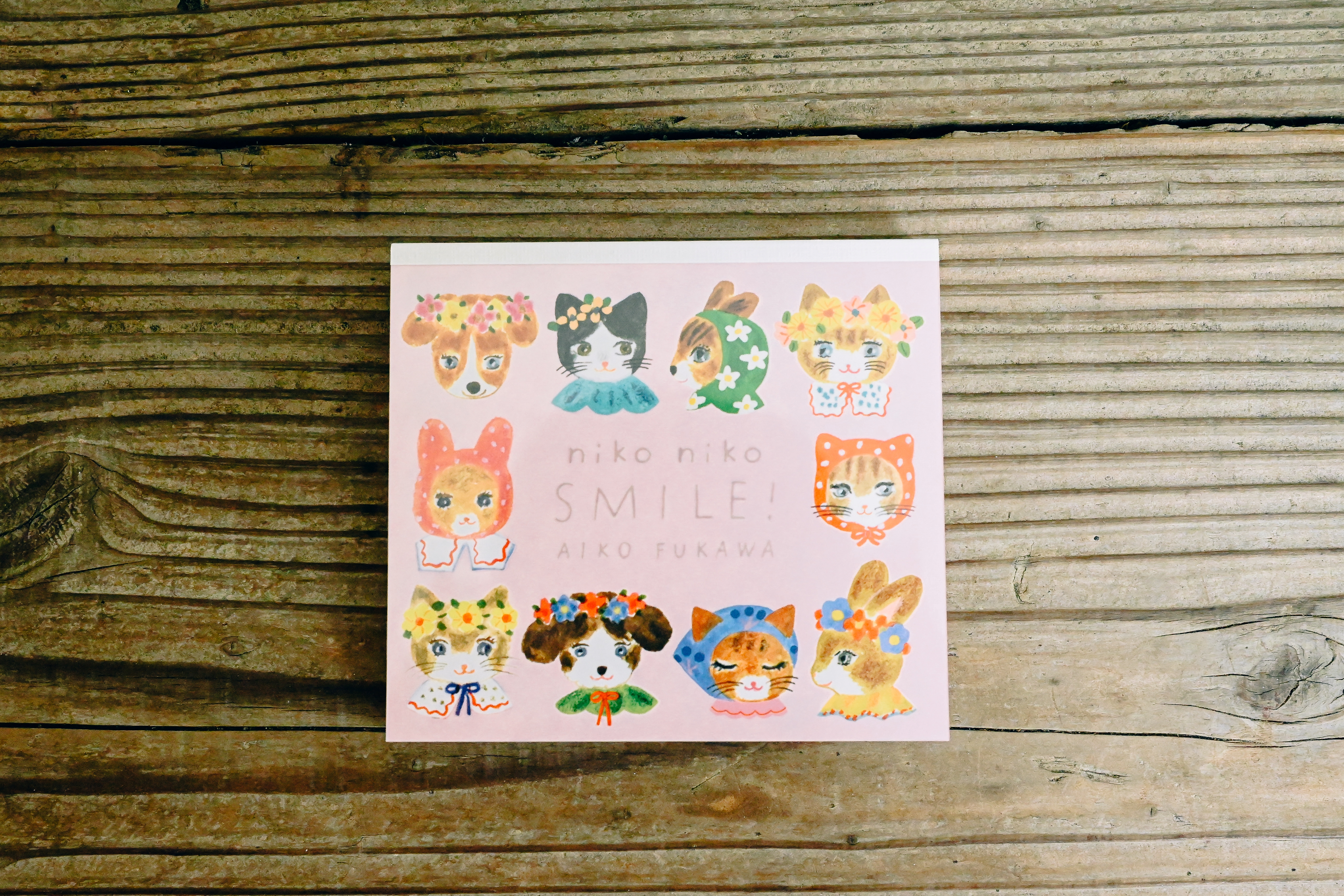
Notebooks from various authors are lined up.
Before joining Hyogensha, Ms. Takakura was involved in designing patterns for washi paper. When she was asked to plan Japanese stationery after joining Hyogensha, she said she reconsidered the question of "what is 'wa' (Japanese style)?"
"Japan has many highly sensitive writers, and I want to share their talent with the world. And I hope that through these writers' works, we can enrich people's lives," says Takakura.
We create products printed with artists' paintings and designs, and deliver them with the artist's name on them. The idea is that someone who picks up one of these products might learn about the artist, visit an exhibition, and perhaps even purchase the original artwork. It was with this desire to create opportunities for new connections that we launched "cozyca products."
The meaning behind the names "cozyca" and "HIRAETH"
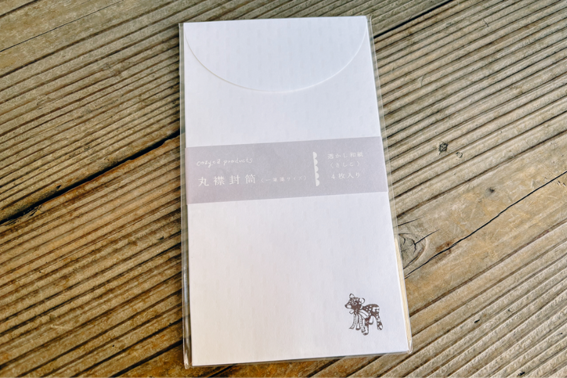
The Bambi logo created by Mr. Takakura
When the brand was first launched, the target customers were primarily women. While searching for motifs that would appeal to women, they felt that the cuteness of "Bambi" suited the brand's atmosphere.
With the wish that customers feel comfortable in the store and that the products they pick up will gently enrich their daily lives, the name "cozyca" was born, combining "fawn" (kojika) and "cozy," meaning "comfortable."
The shop name "HIRAETH" is Welsh. Interpreted as "nostalgia for a place like home, a place you can't return to, and a sense of pride in it," the name embodies the idea that even though we can't go back to the past, we will move into the next era with pride as "Hyogensha."
A shop loved by writers
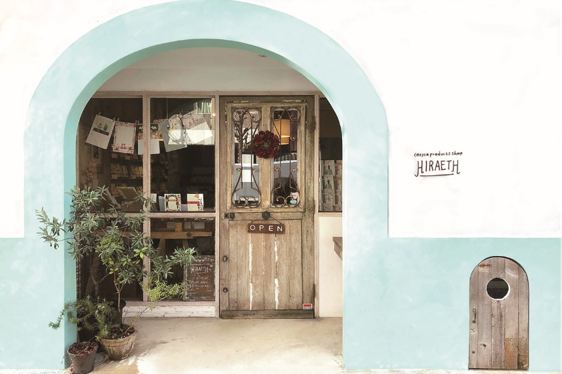
An arched entrance that makes you want to stop and take a look.
When "cozyca products" first started, it began with a collaboration with glass artist Subikiawa. After that, Takakura herself went out to meet other artists who would create products with her, visiting them in person or approaching them at their solo exhibitions. Through these efforts, relationships with the artists gradually grew, and now the store is richly adorned with works by more than 30 artists.
"Thankfully, the number of artists who tell us that it's their dream to create products with 'cozyca products' has increased."
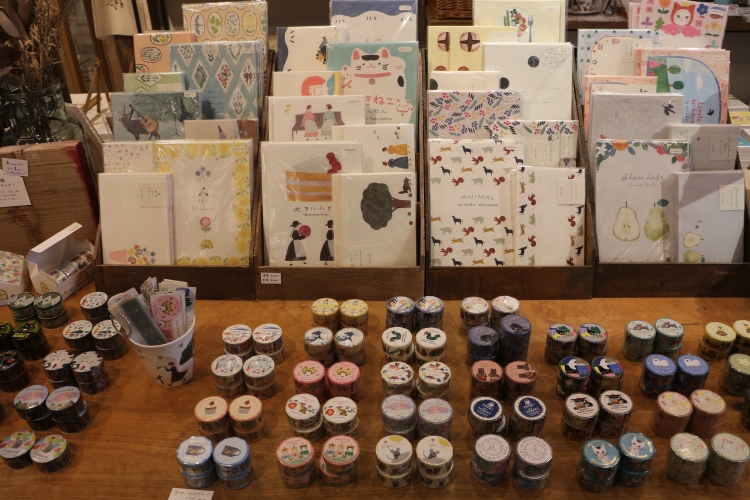
The products on display are collaborations with many artists.
"Kyoto is a place with many temples and shrines where traditional culture is passed down, but it also has many art universities where young people study and work, so we want to evolve while preserving tradition. Also, not just in Kyoto, but creating an environment where artists can work is one of the brand's missions, so we want to continue planning with that in mind," says Takakura.
I want to change while staying the same.
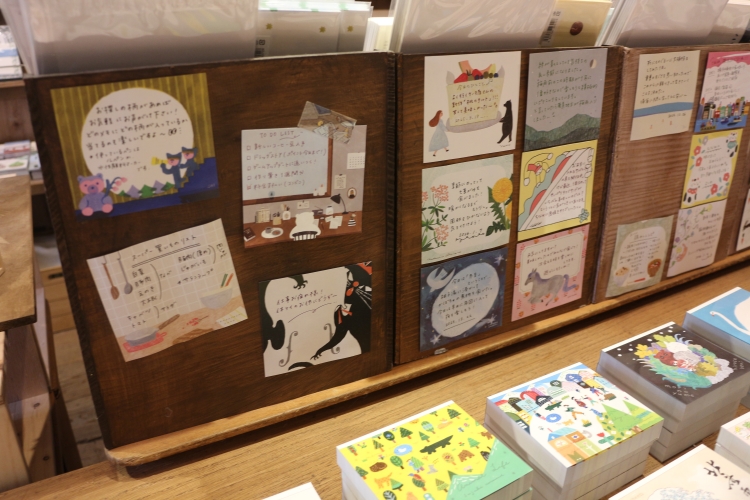
The staff's favorite notepads are also on display, conveying how art is integrated into everyday life.
Takakura, who worked in London when she was younger, felt that art and everyday life were closely intertwined there. She believes that if artists' works become more integrated into people's lives in Japan, everyday life will surely become richer. With this in mind, she started "cozyca products," which has garnered much support as one of the pioneers of the artist boom. And now, as the world has changed, she feels that life and art have become much closer.
While "cozyca products" primarily focuses on paper stationery, the store also carries accessories, tableware, and other goods that allow you to feel closer to art.
"Rather than trying to rapidly expand the brand, I'd like to grow it slowly while cherishing my relationships and activities with the artists," says Takakura, speaking about the future.
Even as times change, what Hyogensha has always cherished is creating stationery that "conveys feelings." Their core principle remains unchanged: carefully conveying people's thoughts, such as seasonal greetings and expressions of care, through postcards and letters. Their motto is "to change while remaining true to themselves." True to this philosophy, "cozyca products" serve as a bridge connecting artists, their works, and everyday life, enriching people's lives.
cozyca products shop HIRAETH
電話:075-253-0640
住所:京都府京都市中京区指物町322
アクセス:京阪電車「神宮丸太町」下車徒歩8分
京都市営地下鉄東西線「京都市役所前」下車徒歩10分
HP:https://cozycaproducts.net
SNS:https://www.instagram.com/cozycaproducts/
*営業時間や定休日についての詳細は、上記のリンク先からご確認ください。