ReservationSearch and reserve rooms
Click here to confirm, change or cancel your reservation
Flight-Inclusive Packages
Shinkansen-Inclusive Hotel Packages
Corporate Partner Reservations
2026.06.20
A silk weaving tradition passed down for over 270 years in Kyoto's Muromachi district. The beauty of gold brocade woven by "Homarekan Shoten".
NEIGHBORS
Muromachi Street, which faces HOTEL RESOL KYOTO SHIJO MUROMACHI, is a street that has flourished as a center for kimono and fabric businesses. The sight of the long-established shops still lining the street today gives a sense of how the business has been passed down for generations.
If you head north from the hotel along Muromachi Street and venture into Reizen-cho, you'll see a noren (traditional Japanese curtain) bearing the character "Homare" (honor). Beyond the noren lies Konkan Shoten, a silk weaving shop with a history spanning over 270 years.
We spoke with Yukio Matsui, the 13th generation (current owner), about the history of Kyoto's oldest silk brocade textile merchant, which deals in "kinran," a gorgeous silk fabric woven with gold threads, and the appeal of "kinran."
The history of "Homarekan Shoten," which began in Muromachi.
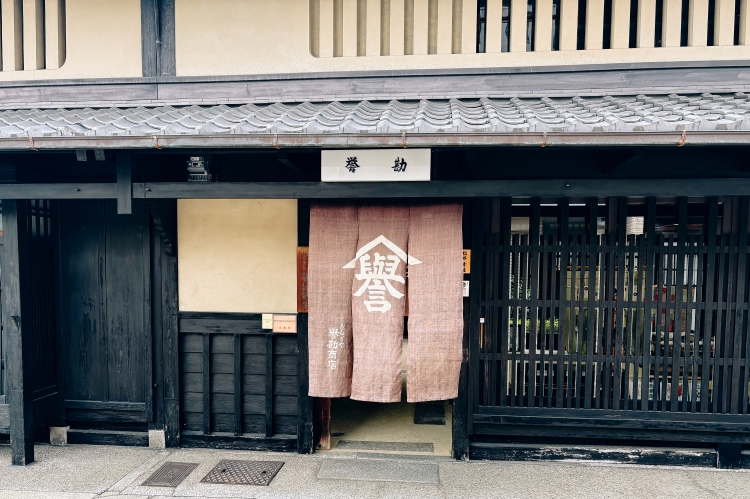
A dignified noren (traditional Japanese curtain) with the character "誉" (honor) prominently displayed.
The reason why so many kimono shops came to be located on Muromachi Street is largely due to the Ōnin War, which took place in the latter half of the 15th century. The war devastated Kyoto, and the artisans who worked with weaving and dyeing in Nishijin dispersed to various regions. Eventually, as Kyoto was rebuilt, these artisans returned, bringing with them the techniques they had learned elsewhere, which led to the later development of the Kinran culture. Furthermore, it is believed that after urban development by Toyotomi Hideyoshi, kimono shops began to line Muromachi Street.
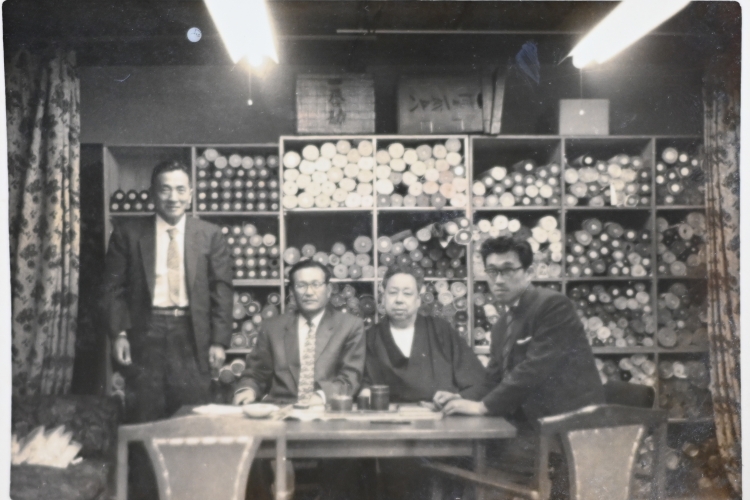
(Center right) 11th generation Matsui Tasaburo (right) 12th generation Matsui Ryuji
Amidst this situation, in 1720 (Kyoho 5), Kondaya Shohei, the first head of the Kondaya family, the main branch of the Honoka Shoten, founded a kimono sash wholesale business and developed it into one of Kyoto's leading merchant families.
At that time, the head clerk was Kanbei Kondaya. Kanbei had always dreamed of owning his own shop, and in 1751 (Horeki 1), his hard work as head clerk was recognized, and he was allowed to open his own shop through a branch-off system. He founded "Homare Kanshoten," combining the "Homare" of the main family with his own name.
Based on the family motto of the main branch, "We must not engage in the same business as the main branch," they deliberately focused on a different field: kinran (gold brocade). In this way, the business of handling ornate textiles using gold threads took root in this area.
Family precepts passed down through generations
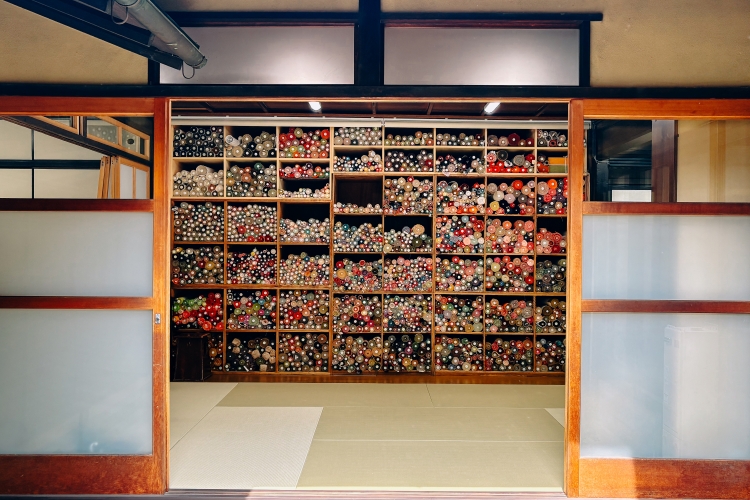
The current shelves where silk fabrics are stored
Since then, "Homarekan Shoten" has continued its business without interruption, passing the baton through through the changing times. The 13th generation owner, Yukio Matsui, says, "Amidst major historical changes such as war and the Meiji Restoration, we have overcome various events beyond our imagination and continued our business to this day."
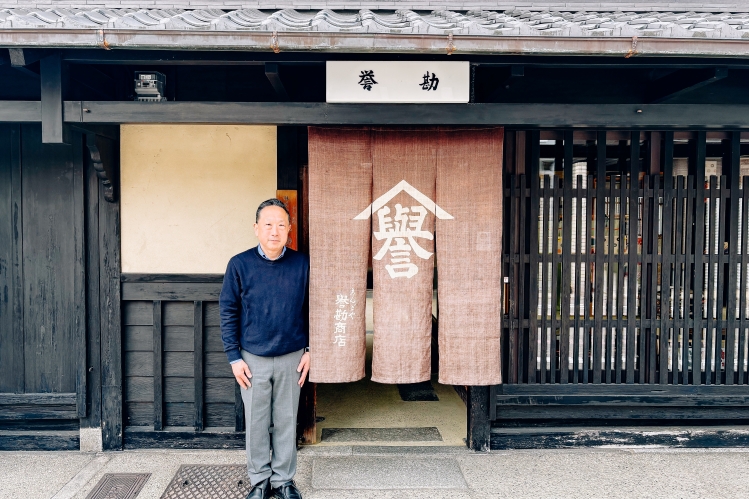
Yukio Matsui, the 13th generation to carry on a 270-year tradition.
Over its long history, there have been generations where the business lacked a suitable successor, but even in those circumstances, the owner has made repeated choices to protect the business, such as welcoming a successor from within the family.
Throughout the long history of "Homarekan Shoten," the family motto has been passed down: "Even a single inch of cloth is like a treasure to our master." They cherish even customers who only seek small amounts of cloth. This sentiment remains the foundation of their business to this day.
The profound beauty of gold brocade woven from silk threads.
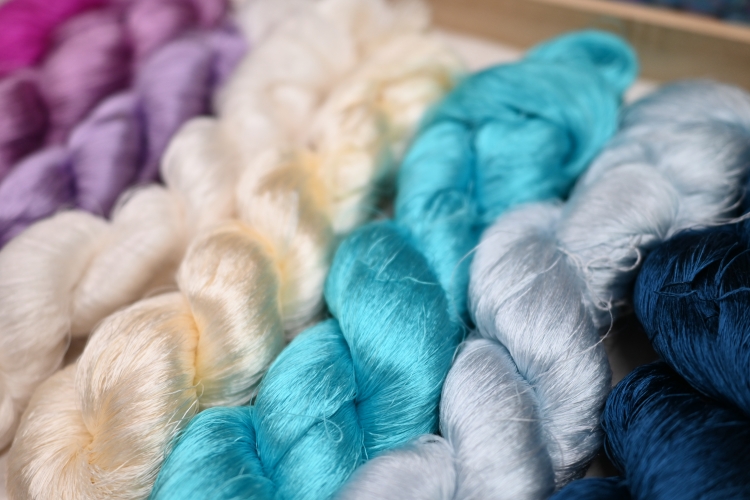
The silk thread used at "Homarekan Shoten"
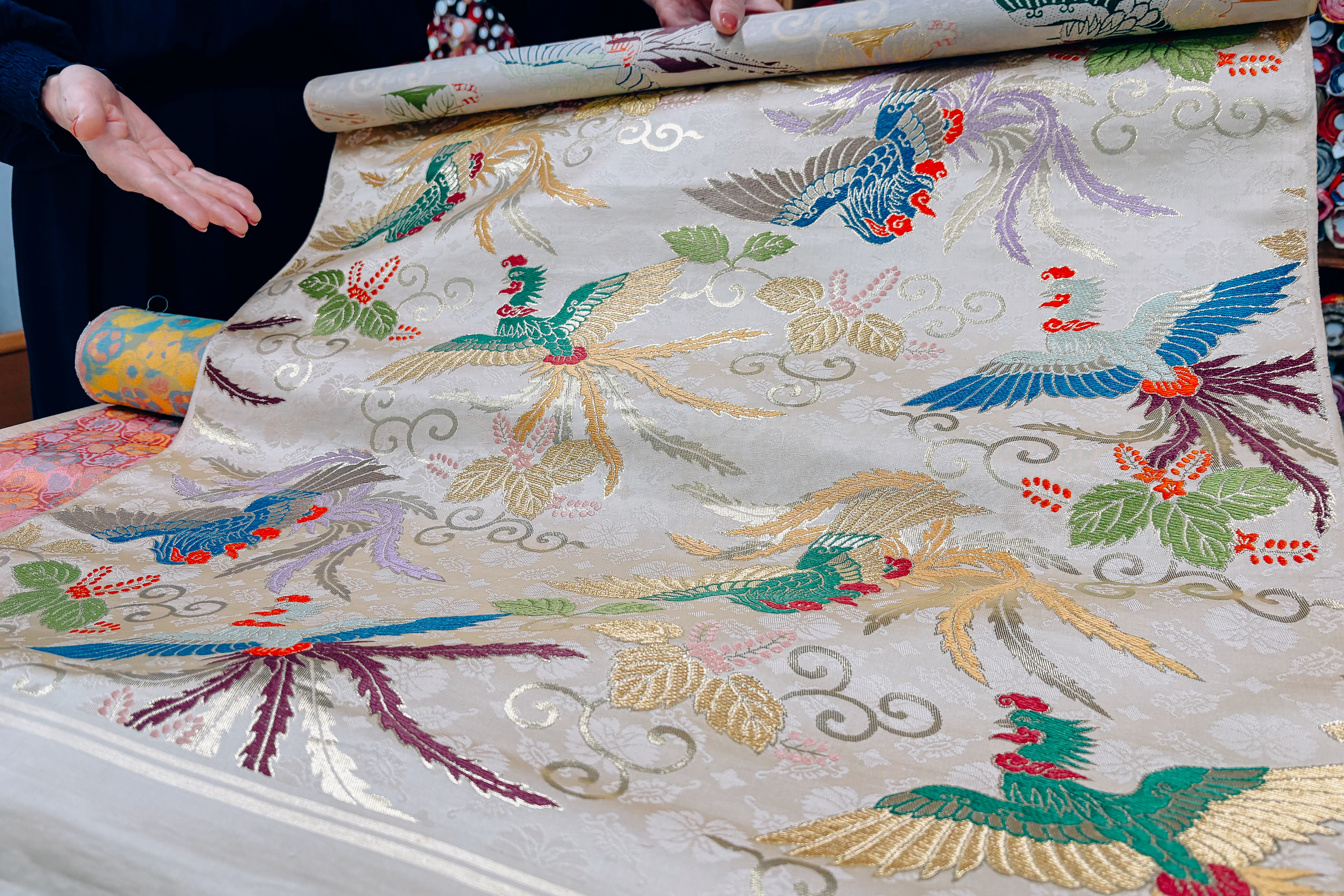
Kinran is an indispensable element when discussing the history of "Homarekan Shoten." Even if the name Kinran is unfamiliar, many people may have encountered its beautiful weave in items such as amulet pouches, stamp books, and hina dolls. However, most of these are made from synthetic fibers. The Kinran that "Homarekan Shoten" handles is made from silk, a tradition that has continued since the Edo period.
"Silk threads possess a softness, luster, and suppleness that synthetic fibers lack. Because the threads themselves are so fine, they can be woven at high density, and one of their characteristics is that the color and appearance change depending on the angle," Matsui explains, picking up one piece of fabric and thread after another, describing the allure of kinran (gold brocade).
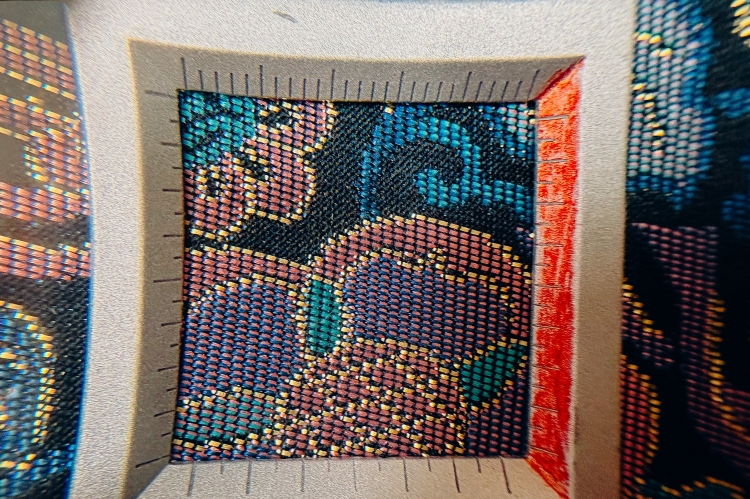
When viewed with a magnifying glass, it becomes clear that the fabric is woven from three different colored threads.
Some patterns that appear to use many colors are actually created using only three colors of thread and gold leaf. By carefully selecting colors while considering how the threads will look when they overlap, a sense of depth and richness is created.
"The technique itself has been passed down through generations, but the choice and combination of colors depends on the sensibilities of us living in the present."
From Ms. Matsui's words, one can sense her attitude of preserving the techniques that have been passed down through generations while also striving to reflect the beauty of each era in her textiles.
The theme for the 270th anniversary is "the latest".
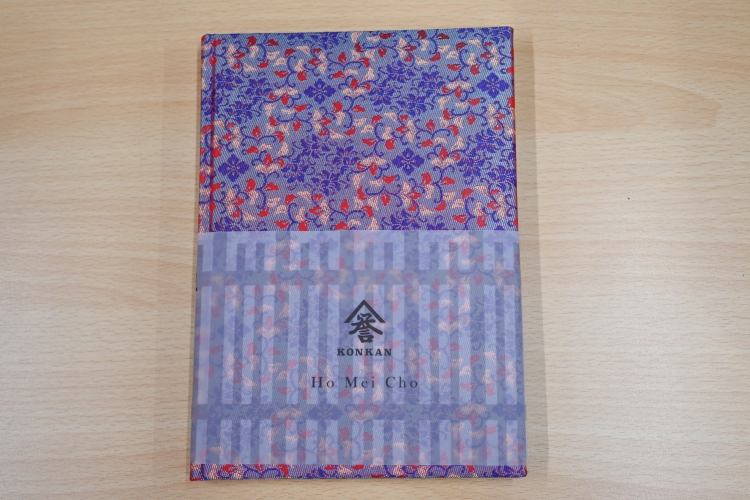
A high-end notebook, "Hōmeichō," adorned with Kyoto's brocade fabric.
Homarekan Shoten has long been a wholesaler. In recent years, they have been undertaking new initiatives to bring the skills they have cultivated over the years to a wider audience.
While we previously focused primarily on the fabric itself, we now offer products that are easy to incorporate into everyday life, such as trays, brocade gift cards, and high-quality notebooks called "Hōmeichō" adorned with brocade, which boasts the lustrous texture and gorgeous patterns unique to silk. This allows even tourists who just happen to drop by to experience brocade.
We also offer custom-made fabrics, weaving from scratch based on your design or image. Through careful dialogue, we transform your vision into a beautifully crafted textile.
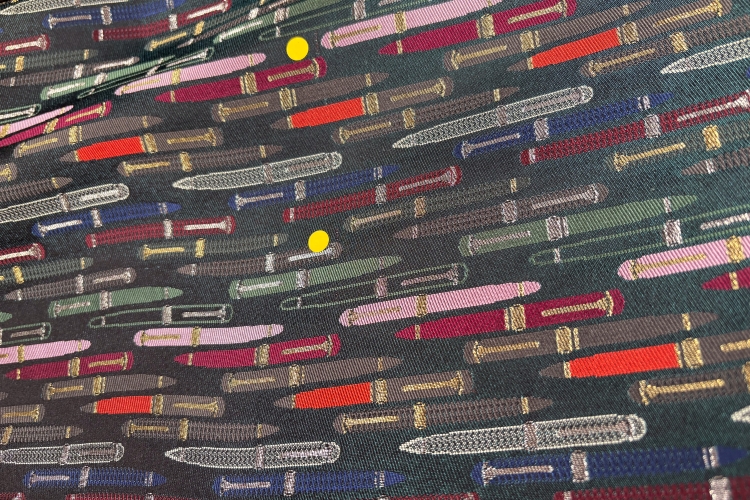
Silk fabric made to order
The theme for this year at "Homarekan Shoten" is "270 years later, the latest."
Based on techniques passed down through generations, Homarekan Shoten continues to strive to deliver the allure of kinran (gold brocade) that resonates with the modern age. The aesthetic sensibilities nurtured over many generations will undoubtedly continue to thrive in the Muromachi region.
Hakakan Shoten
Phone: 075-241- 0168
Address: 53 Reizen-cho, Nakagyo-ku, Kyoto City, Kyoto Prefecture
Access: 3-minute walk from Marutamachi Station on the Kyoto Municipal Subway Karasuma Line; 5-minute walk from the "Karasuma Marutamachi" bus stop (Kyoto City Bus)
HP: https://kondaya.jp/
SNS: https://www.instagram.com/konkan.since1751/
*For details regarding business hours and regular closing days, please check the link above.